Archives
- 2026-06
- 2026-05
- 2026-04
- 2026-03
- 2026-02
- 2026-01
- 2025-12
- 2025-11
- 2025-10
- 2025-09
- 2025-03
- 2025-02
- 2025-01
- 2024-12
- 2024-11
- 2024-10
- 2024-09
- 2024-08
- 2024-07
- 2024-06
- 2024-05
- 2024-04
- 2024-03
- 2024-02
- 2024-01
- 2023-12
- 2023-11
- 2023-10
- 2023-09
- 2023-08
- 2023-06
- 2023-05
- 2023-04
- 2023-03
- 2023-02
- 2023-01
- 2022-12
- 2022-11
- 2022-10
- 2022-09
- 2022-08
- 2022-07
- 2022-06
- 2022-05
- 2022-04
- 2022-03
- 2022-02
- 2022-01
- 2021-12
- 2021-11
- 2021-10
- 2021-09
- 2021-08
- 2021-07
- 2021-06
- 2021-05
- 2021-04
- 2021-03
- 2021-02
- 2021-01
- 2020-12
- 2020-11
- 2020-10
- 2020-09
- 2020-08
- 2020-07
- 2020-06
- 2020-05
- 2020-04
- 2020-03
- 2020-02
- 2020-01
- 2019-12
- 2019-11
- 2019-10
- 2019-09
- 2019-08
- 2019-07
- 2019-06
- 2018-07
-
br Materials and Methods br Acknowledgements We
2021-01-26
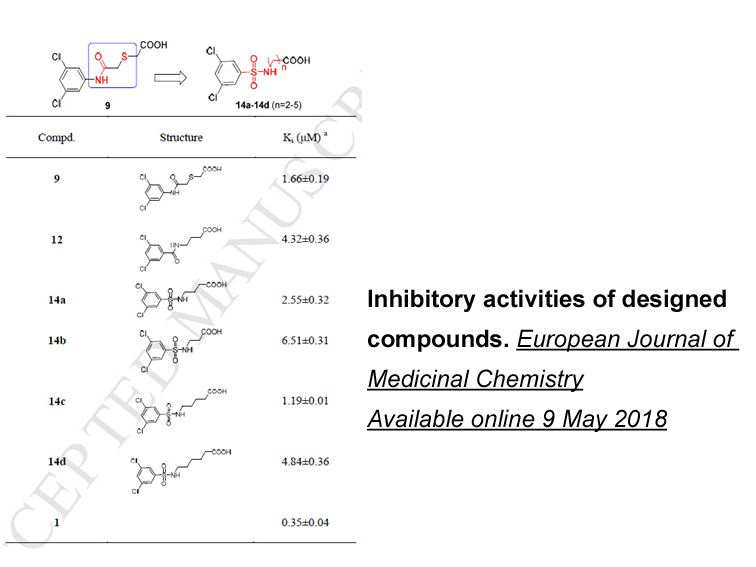
Materials and Methods Acknowledgements We thank the staff of beamlines ID29 and ID30A-1 of the European Synchrotron Radiation Facility. This work was supported by, the Marie Curie Career Integration Grant (PCIG13-GA-2013-630755), the Israel Science Foundation (Grant 1383/17) and the Israeli Ca
-
The inhibition of NPY cleavage may also contribute to
2021-01-26
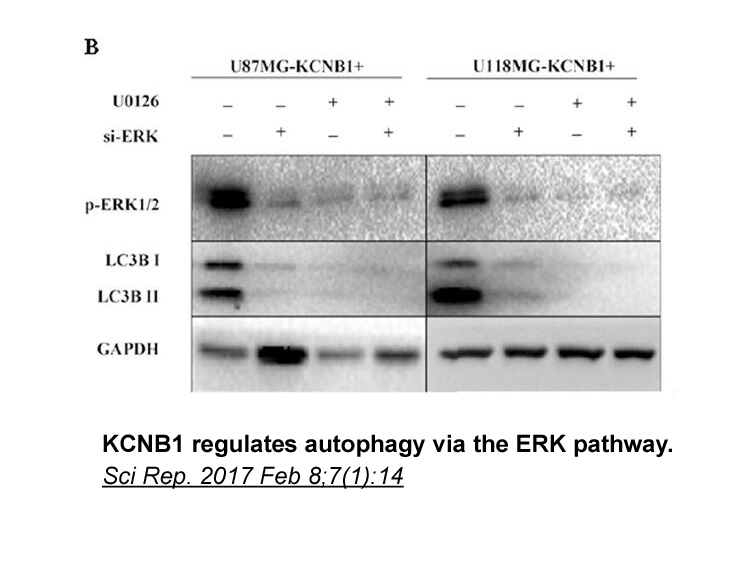
The inhibition of NPY cleavage may also contribute to the effect of gliptins on blood pressure [123]: NPY is an agonist of Y1 receptor mediating peripheral vasoconstriction. Interestingly, blood pressure in adult SHRs was not affected by single dose administration of a specific DPP-4i whereas blood
-
In contrast DGAT does not interact
2021-01-26
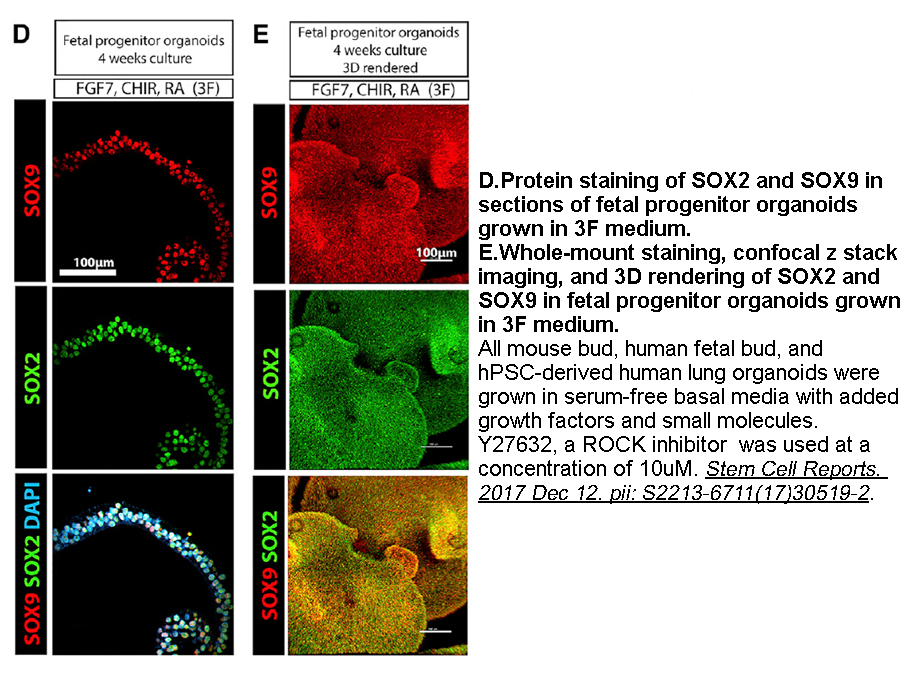
In contrast, DGAT1 does not interact with mitochondria and LDs but can form dimers and tetramers [76]. It has been reported that the hydrophilic N-terminal region of DGAT1, which is not required for acyltransferase activity, has the roles in regulating enzyme activity and the formation of dimers and
-
br CDKs as Direct Coactivators
2021-01-26
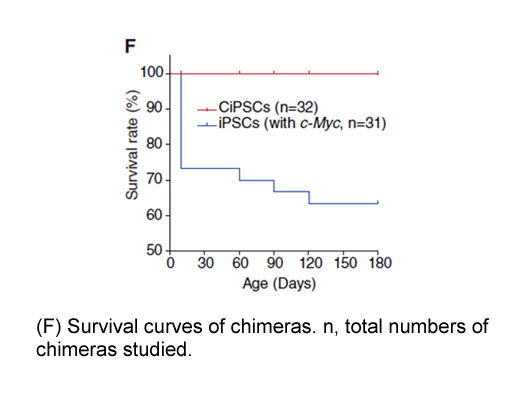
CDKs as Direct Coactivators of Proinflammatory Transcription Factors CDKs fuel inflammation by triggering the function of proinflammatory transcription factors such as NF-κB, STAT3, and AP-1. This is achieved at two levels because CDKs can affect gene expression by targeting global transcription
-
An intriguing feature of the pre and postsynaptic processes
2021-01-26
An intriguing feature of the pre and postsynaptic processes at the level of the VTA that have been shown to be mediated by CRF2 receptors [9], [34] is that they are exerted only by agonists with high affinity for both CRF2 receptors and CRF-BP. The four endogenous peptides of the CRF system have hig
-
Unlike many forms of SNHL cCMV may be treatable
2021-01-26

Unlike many forms of SNHL, cCMV may be treatable. The antiviral drug valganciclovir (VGCV) has been proposed to improve hearing, speech, and language outcomes associated with this infection [6]. A recent publication from the CASG (Collaborative Antiviral Study Group) reported that a six-month course
-
Amphiphilic compounds lower interfacial tension and its biol
2021-01-26
Amphiphilic compounds lower interfacial tension and its biological production often results in a competitive environmental advantage (Darvishi et al., 2011). The reduction of interfacial tension can increase the biologically available surface areas resulting in increased metabolism of insoluble comp
-
Taken together these assays demonstrate that SUMOD positioni
2021-01-25
Taken together, these assays demonstrate that SUMOD positioning is essential for all E3 ligases but dispensable for E2 and S*E2 sumoylation reactions. Thus, we propose SUMOD positioning as a key criterion to describe the enzymatic function of SUMO E3 ligases that distinguishes them from other enhanc
-
A potential weakness of the present study
2021-01-25
A potential weakness of the present study is that it involved population controls rather than family controls, which are a better way of controlling the effects of population stratification (e.g. ethnic group differences in allele frequencies). On the other hand, general population samples do have t
-
Mother rats acutely treated with quinpirole and mg kg decrea
2021-01-25
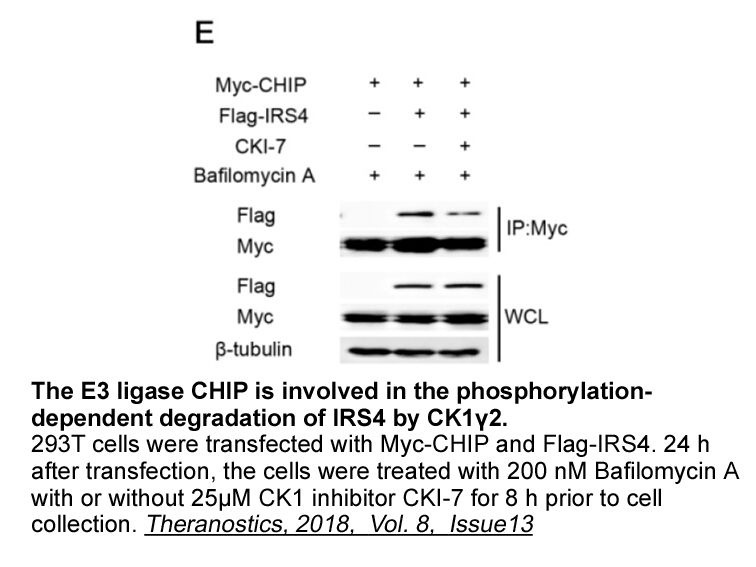
Mother rats acutely treated with quinpirole (0.5 and 1.0 mg/kg) decreased the pup exploration time but increased the object exploration, so they showed a significantly lower pup preference ratio. They also showed impaired maternal performance in the home cage, consistent with our previous study (Zha
-
C PHNO has been described as a full
2021-01-25
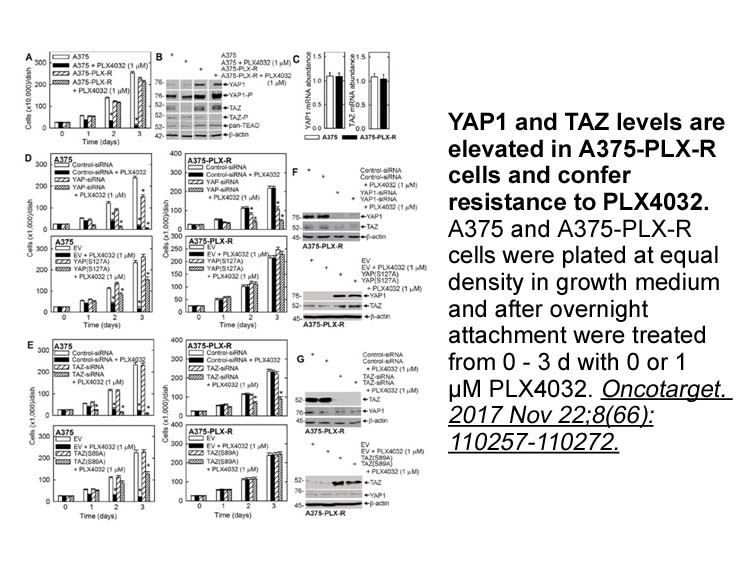
[11C]-(+)-PHNO has been described as a full agonist at both D2 and D3 receptors [54,55]. [11C]-(+)-PHNO was initially developed as a PET radiotracer for imaging the high affinity state of the D2 receptor (i.e., highD2) as a means of measuring synaptic dopamine changes in response to pharmacologic ch
-
Analysis of Table shows that compound b in which the
2021-01-25
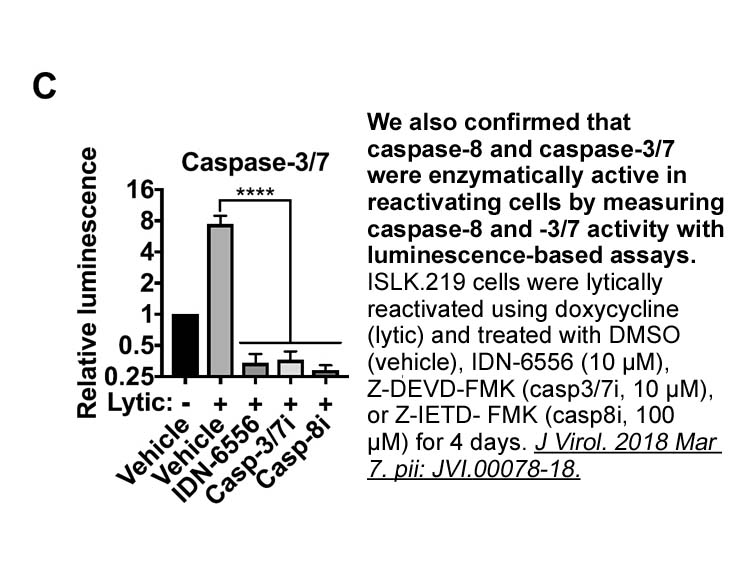
Analysis of Table 1 shows that compound 7b, in which the biphenyl scaffold does not bear any substituent, displays its inhibitory potency in the micromolar range (IC50 = 11 μM). If the amide bridge is moved from position 1 to 3 of the biphenyl system, product 7c is yielded, whose potency is about 4
-
NMR was employed for the determination
2021-01-25
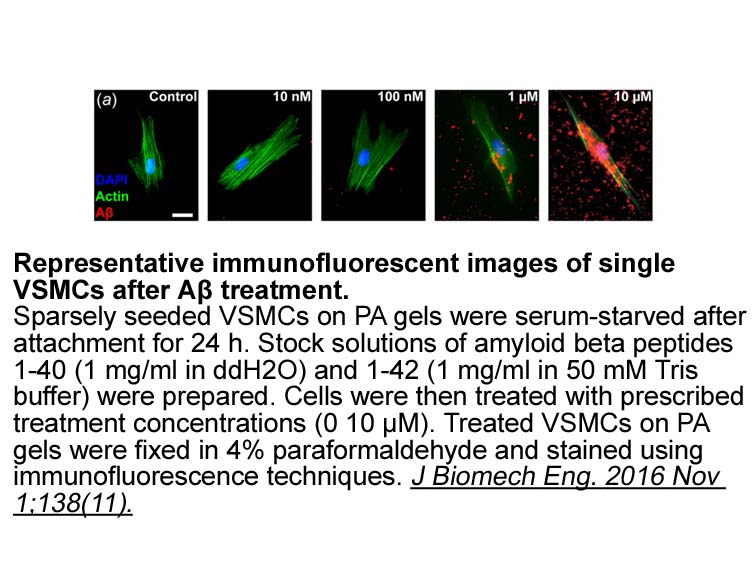
NMR was employed for the determination of un-ligated domain 1 structure of DDR2 receptor. The collagen-binding site on the same was identified by cross saturation experiment and mutagenesis [40]. Birgit leitinger identified the binding site of collagen with DDR2 receptor, which was three spatially a
-
br Conclusion br Limitations br Conflict of interest br Fina
2021-01-25
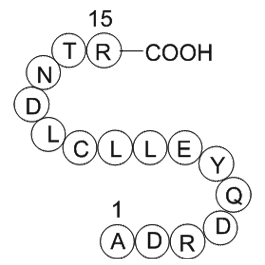
Conclusion Limitations Conflict of interest Financial disclosure The research was supported by National Institute of Mental Health and Neuro Sciences (NIMHANS)Intramural Research Grant ID NIMH/PROJ-RSM/545/2014-15. India. Acknowledgments Introduction Increased central and peripher
-
br The role of TNFs and AD The TNF superfamily
2021-01-25
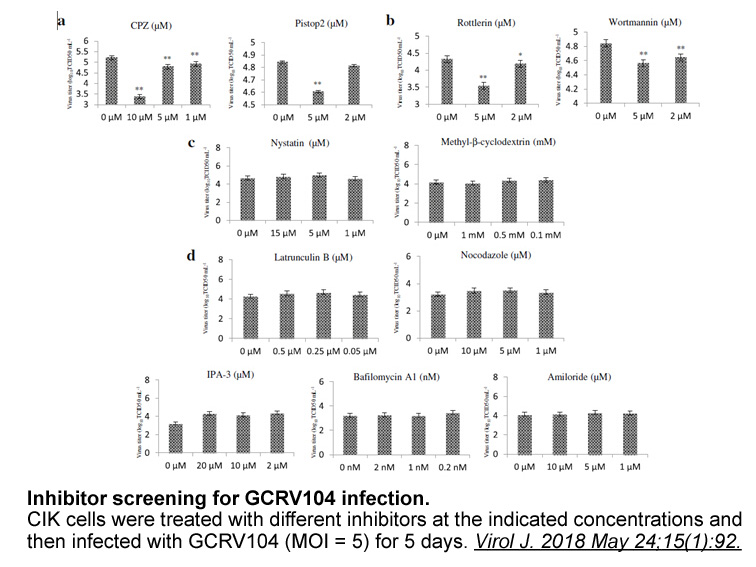
The role of TNFs and AD The TNF superfamily includes 19 members that can bind 29 different receptors [56, 57]; the 19 members are Lta, TNF-α, lymphotoxin-β (LTβ), OX40L, TNF associated activation protein (TRAP, also named CD40L or gp39), factor associated suicide ligand (FasL), CD70, CD153, 4-1BB
15333 records 728/1023 page Previous Next First page 上5页 726727728729730 下5页 Last page