Archives
- 2026-10
- 2026-09
- 2026-08
- 2026-07
- 2026-06
- 2026-05
- 2026-04
- 2026-03
- 2026-02
- 2026-01
- 2025-12
- 2025-11
- 2025-10
- 2025-09
- 2025-03
- 2025-02
- 2025-01
- 2024-12
- 2024-11
- 2024-10
- 2024-09
- 2024-08
- 2024-07
- 2024-06
- 2024-05
- 2024-04
- 2024-03
- 2024-02
- 2024-01
- 2023-12
- 2023-11
- 2023-10
- 2023-09
- 2023-08
- 2023-06
- 2023-05
- 2023-04
- 2023-03
- 2023-02
- 2023-01
- 2022-12
- 2022-11
- 2022-10
- 2022-09
- 2022-08
- 2022-07
- 2022-06
- 2022-05
- 2022-04
- 2022-03
- 2022-02
- 2022-01
-
Synthesis pharmacological evaluation for the binding at hA h
2024-05-14
Synthesis, pharmacological evaluation for the binding at hA, hA and hA ARs, and efficacy at hA subtype of the synthesized compounds, together with the assessment of their theoretical ADME properties were the guidelines in this preliminary drug discovery investigation. The synthetic pathways which y
-
A borderline significant effect of women
2024-05-14
A borderline significant effect of women's age has been observed for ADA6 only. For ADA2 the proportion of the *1/*1 genotype is 69.4% in women aged ≤36 years vs. 66.9% in women aged ≥36 years (p=0.944). The proportion of ADA6*1 allele carriers is 32.6% in women aged ≤36 years vs. 49. 8 in women age
-
br Experimental section br Results and
2024-05-14
Experimental section Results and discussion Conclusion In the present study, 3a,8a-dihydroxy-8-oxo-1,3,3a,8a-tetrahydroindeno[1,2-d]imidazol-2(1H)-iminium chloride (3) has been synthesized and characterized by spectral studies and single crystal X-ray crystallography. DFT calculations have
-
In an insightful essay Heryanto writes that language is
2024-05-14

In an insightful essay, Heryanto (1990, 40) writes that language is “a phenomenon expressing the particular history of a society” that did not exist in many parts of the world. “Language is not a universal category or cultural activity. Though it may sound odd, not all people have a language in the
-
tetracaine hydrochloride On another hand pyrazoles are widel
2024-05-14

On another hand, pyrazoles, are widely found as the core structure in a large variety of compounds of great biological and pharmaceutical value exhibiting anti-HCV [11], antitumor [12], cytotoxic[13], and antioxidant activities [14]. Finally, 1,2,3-triazoles have attracted the interest of medicinal
-
When skeletal muscle ages there
2024-05-14
When skeletal muscle ages, there is an increase in frailty, which is coincident with a decrease in muscle mass and function—this condition is called sarcopenia (Cruz-Jentoft et al., 2010). It has been shown that one of the major pathways downregulated at the onset of sarcopenia is the mitochondrial
-
Introduction the DNA damage response important
2024-05-14
Introduction: the DNA damage response — important implications for tumour development and treatment Cells are invariably challenged by tens of thousands of lesions inflicted on their DNA everyday (Lindhal, 1993). This DNA damage can be caused exogenously by exposure to different types of radiation
-
F is an orotomide a novel class of antifungals
2024-05-13

F901318 is an orotomide, a novel class of antifungals, which inhibits pyridine biosynthesis by blocking dihydroorotate dehydrogenase (URA1) activity [137]. Although this pathway is conserved in humans, human URA1 is only 20% identical to its fungal homolog and it is inhibited 2000-fold less effectiv
-
Dual acting RAAS blockade and neprilysin inhibition has been
2024-05-13
Dual-acting RAAS blockade and neprilysin inhibition has been evaluated in several clinical HF trials. In PARADIGM-HF [6,7], LCZ696 was superior to enalapril in reducing mortality and HF hospitalizations in symptomatic patients with HF with reduced EF. Augmented benefits on maladaptive cardiac remode
-
Intriguingly androgens may also have an indirect
2024-05-13

Intriguingly androgens may also have an indirect effect on AR gene expression through inhibition of the GATA2 transcription factor gene (He et al., 2014) (Table 1). Using ChIP-seq, GATA2 was found to bind to a regulatory element 5.5 kb upstream of the TSS of the AR gene and enhanced transcription, w
-
DAergic as well as GABAergic and
2024-05-13
DAergic, as well as GABAergic and glutamatergic neurons, send projections to target forebrain structures, such as the nucleus accumbens (NAc) and medial prefrontal cortex (mPFC), and support diverse functional roles (Carr and Sesack, 2000a, Carr and Sesack, 2000b, Omelchenko and Sesack, 2009, Taylor
-
To examine whether the interaction between
2024-05-13
To examine whether the interaction between mGlu7 and α1-adrenergic receptors could be confirmed at a behavioural level, we performed the FST in mice. This test has value in predicting the antidepressant-like effect of drugs or environmental manipulations (Krishnan and Nestler, 2008, Krishnan and Nes
-
The extent to which GPCR oligomerization is a
2024-05-13
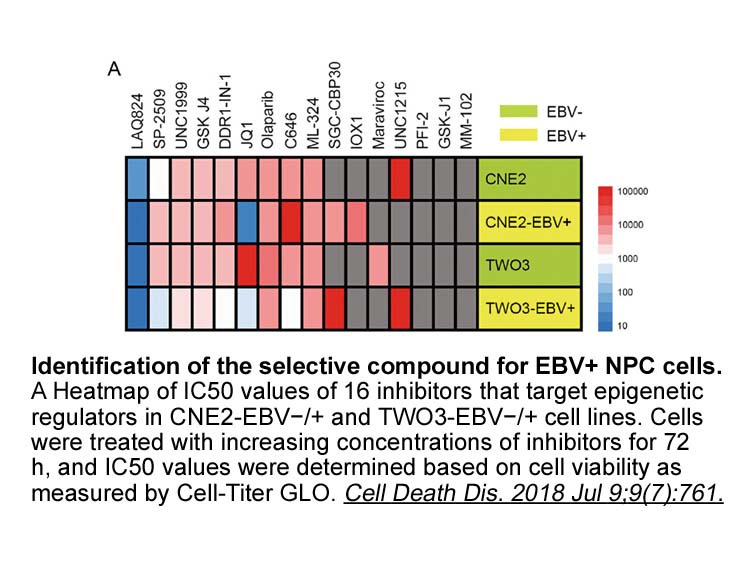
The extent to which GPCR oligomerization is a regulated process still remains unclear. Reported effects of ligands on both GPCR homo- and heteromers are highly variable and depend on GPCR subtypes and the specific ligand used. According to our data, chronic treatment of mice with both paroxetine or
-
cmv virus In the past few years several experimental
2024-05-13
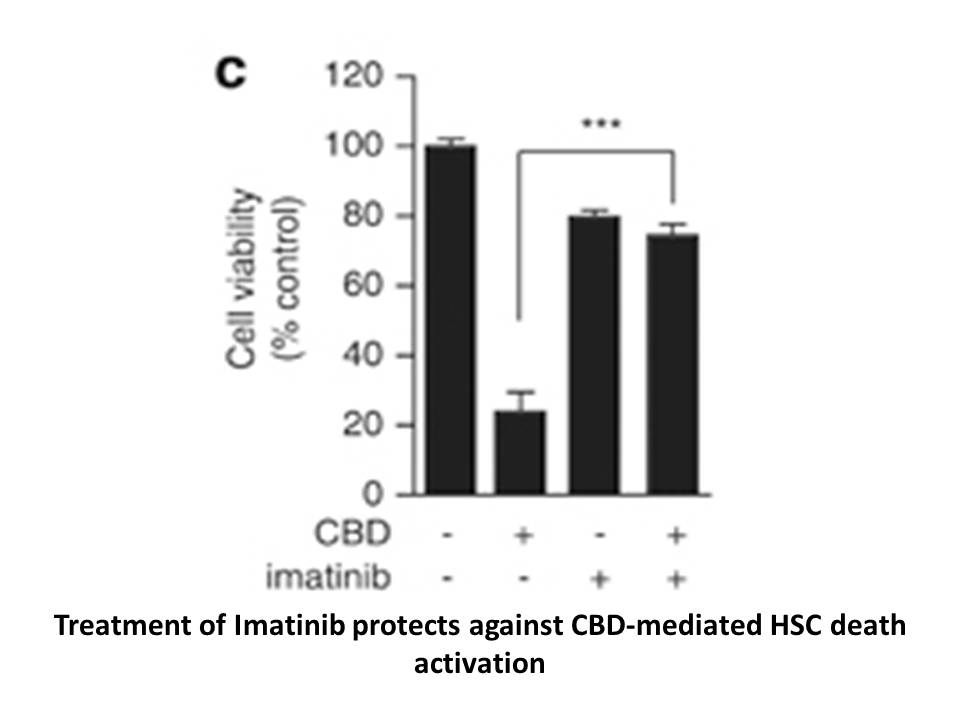
In the past few years, several experimental findings have demonstrated a pivotal involvement of adenosine also in driving the phenotypic switch of macrophages. In particular, the stimulation of A2A and A2B receptors seems to play a critical role in switching macrophages from M1 to M2 phenotype [37,6
-
The ARHL locus ahl that contributes
2024-05-13
The ARHL locus (ahl) that contributes to the hearing loss in the C57BL/6J mouse has been mapped to chromosome 10 (Erway et al., 1993, Johnson et al., 1997). It has been shown that strains susceptible to early onset ARHL carry a specific mutation in the cadherin 23 gene (Cdh23), which encodes a compo
8135 records 188/543 page Previous Next First page 上5页 186187188189190 下5页 Last page